
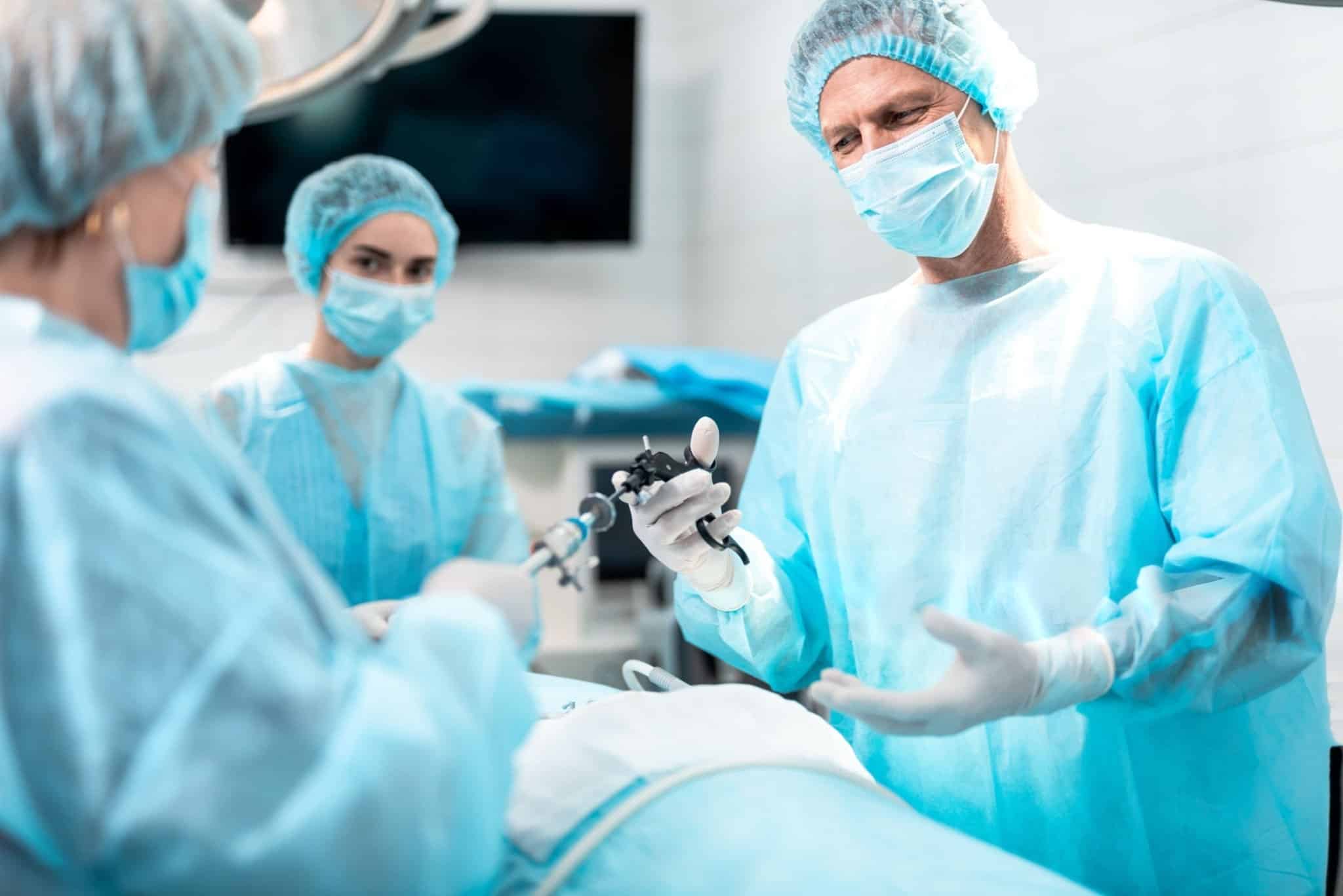
Advanced Laproscopic and General Surgery in Vadodara
Advanced surgical care, precise diagnostics, and compassionate patient recovery form the bedrock of the Department of General & Laparoscopic Surgery at Devarsh Multi-Speciality Hospital in Vadodara. Whether managing an acute abdominal emergency, treating chronic ano-rectal conditions, or repairing abdominal wall defects, our hospital combines surgical expertise with state-of-the-art modular operation theaters and 3D laparoscopic technology.
We prioritize minimally invasive laparoscopic techniques to ensure shorter hospital stays, minimal scarring, and quick returns to daily routine.
What is General Surgery?
General surgery is a specialized discipline of medicine focused on the surgical management of abdominal organs, the gastrointestinal tract, soft tissues, endocrine glands, and vascular structures. Contrary to the word “general,” general surgeons undergo rigorous specialized training to perform complex diagnostic, elective, and emergency surgical interventions.
At Devarsh Multi-Speciality Hospital, our general surgery team covers conditions ranging from routine lump removals to life-saving emergency procedures like appendectomies and bowel obstruction repairs.
LAPAROSCOPIC (KEYHOLE) SURGERY
- 3-4 small incisions (<1 cm)
- HD/3D camera-guided precision
- Faster recovery, reduced pain & minimal scarring
OPEN CONVENTIONAL SURGERY
- Standard surgical incision
- Preferred for complex, recurrent, or large tissue repairs
- Maximum direct visibility and access
Surgeries & Treatments We Perform
Our general and laparoscopic surgery department in Vadodara offers advanced treatment solutions tailored to patient needs:
1. Piles (Hemorrhoids) & Ano-Rectal Treatments
We treat all grades of internal and external hemorrhoids, anal fissures, and complex anal fistulas.
-
Laser Hemorrhoidoplasty (LHP): Minimally invasive laser procedure with zero cutting, minimal pain, and quick recovery.
-
Stapled Hemorrhoidopexy (MIPH): Painless technique for advanced prolapsed piles.
-
Fistula & Fissure Surgeries: Advanced Laser Fissurectomy and LIFT (Ligation of Intersphincteric Fistula Tract) procedures to preserve sphincter control.
2. Hernia Repair (Inguinal, Umbilical, Incisional)
A hernia occurs when internal organs push through a weak spot in surrounding muscle tissue.
-
Laparoscopic Hernia Repair (TAPP / TEP): Minimal incision technique using medical-grade prosthetic mesh for strong wall reinforcement.
-
Open Mesh Hernioplasty: Indicated for large, complex, or recurrent hernias requiring open structural support.
3. Appendix Surgery (Appendectomy)
Appendicitis is an acute inflammation of the appendix requiring prompt intervention to prevent rupture.
-
Laparoscopic Appendectomy: Safe removal through 3 tiny keyhole incisions, leading to minimal post-operative discomfort.
-
Emergency Open Appendectomy: Immediate surgical removal in cases of perforated or ruptured appendicitis with localized peritonitis.
4. Gallbladder Surgery (Cholecystectomy)
Gallstones (cholelithiasis) can cause severe biliary colic, jaundice, or infection.
-
Laparoscopic Cholecystectomy: Gold standard keyhole surgery to remove the diseased gallbladder safely.
5. Hydrocele & Varicocele Surgeries
Excision and repair of hydroceles and laparoscopic varicocelectomy for pain relief and preservation of male reproductive health.
6. Skin, Soft Tissue & Cyst Surgeries
Excision of lipomas, sebaceous cysts, corn removals, abscess drainage, and diabetic foot wound debridements.
Key Benefits of Surgical Care at Devarsh Hospital
| Benefit Feature | What It Means for You |
| Advanced Laparoscopic Tech | 3D High-Definition laparoscopic towers for enhanced precision during complex dissections. |
| Modular Operation Theaters | Ultra-clean laminar airflow and HEPA filtration systems to eliminate surgical site infection risks. |
| Short Hospitalization | Day-care or 24-48 hour hospital stays for most laparoscopic and laser procedures. |
| 24/7 Emergency & ICU | Round-the-clock emergency care team, anesthesiologists, and intensive care units for surgical emergencies. |
| Multi-Speciality Support | Coordinated post-op care with in-house gastroenterologists, urologists, and internal medicine doctors. |
Surgical Preparation Guidelines
Proper preoperative preparation ensures optimal safety during anesthesia and surgery. Our surgical team guides patients through each step:
PRE-OPERATIVE TIMELINE
3-7 DAYS BEFORE SURGERY
- Pre-Anesthetic Check-up (PAC): Blood tests, ECG, Chest X-Ray
- Medication adjustment (tapering blood thinners under supervision)
- Stop smoking and alcohol consumption
NIGHT BEFORE SURGERY
- Strictly fast (NPO – Nothing by mouth) 6 to 8 hours prior
- Take antiseptic body bath as advised
- Pack medical records, ID, and essential personal items
MORNING OF SURGERY
- Report to hospital admissions counter on time
- Complete final consent documentation
- Surgical site preparation by nursing staff
Recovery & Aftercare Plan
Post-operative recovery depends on whether the surgery was open or laparoscopic, but strict adherence to aftercare ensures fast, complication-free healing.
Immediate Post-Op (Hospital Phase)
-
Pain Management: Intravenous analgesics and local block anesthesia ensure minimal discomfort.
-
Early Mobilization: Gentle walking within 6–12 hours post-surgery reduces deep vein thrombosis (DVT) risks and aids bowel function.
-
Diet Progression: Sips of water → clear liquids → soft diet as gastrointestinal motility recovers.
Home Recovery & Wound Care
-
Dressings: Keep incision sites dry and clean. Do not scrub wounds while showering.
-
Activity Limits: Avoid lifting heavy objects (>5 kg), intense exercise, or driving for 2 to 4 weeks (longer for open hernia repairs).
-
Nutritional Guidance: High-fiber diets, adequate hydration (2.5–3L water), and stool softeners to avoid straining after piles or hernia surgeries.