
Advanced Bariatric & Weight Loss Surgery in Vadodara
Digestive ailments, liver disorders, and complex gastrointestinal conditions can disrupt daily life, compromise nutritional intake, and impact overall wellness. When severe acid reflux, persistent abdominal discomfort, or unexplained metabolic symptoms arise, receiving timely care from dedicated specialists is critical.
At Devarsh Multi-Speciality Hospital in Vadodara, our Department of Medical & Interventional Gastroenterology delivers complete diagnostic, therapeutic, and preventive care for conditions affecting the entire digestive system. Combining advanced endoscopic technologies, modern clinical diagnostic laboratories, and multi-speciality medical expertise, our hospital provides patient-centered care for high-quality digestive health outcomes.
What is Gastroenterology?
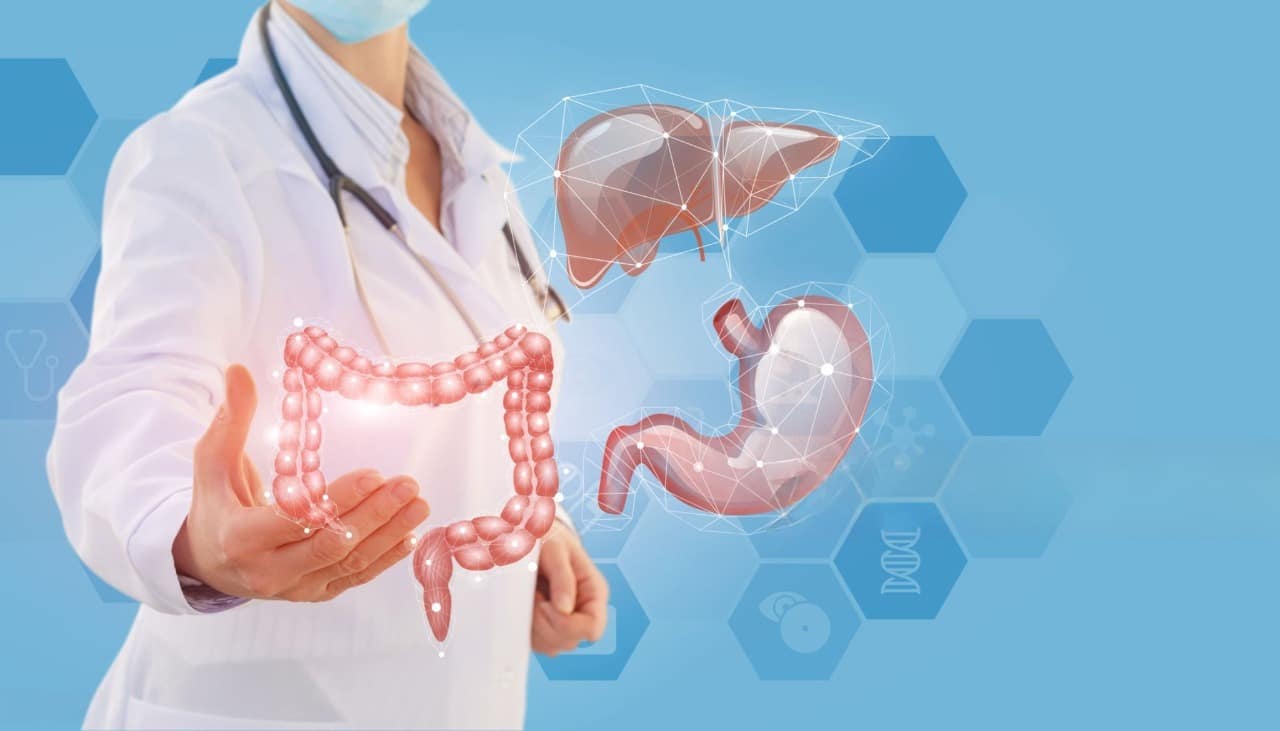
Gastroenterology is the branch of medicine focused on the health, function, and diseases of the gastrointestinal (GI) tract and hepatobiliary system. It involves the study, diagnosis, and non-surgical management of organs responsible for digesting food, absorbing nutrients, and excreting waste:
-
Upper Gastrointestinal Tract: Esophagus, stomach, and duodenum.
-
Lower Gastrointestinal Tract: Small intestine, large intestine (colon), appendix, rectum, and anal canal.
-
Hepatobiliary & Pancreatic System: Liver, gallbladder, bile ducts, and pancreas.
A specialized medical gastroenterologist diagnoses complex gastrointestinal diseases, manages chronic inflammatory bowel conditions, performs advanced diagnostic and therapeutic endoscopies, and coordinates with surgical gastroenterologists whenever procedural interventions become necessary.
Common Signs & Health Conditions That May Require Consultation
Digestive health symptoms can vary from mild abdominal bloating to severe internal distress. Recognizing early clinical indicators helps avoid disease progression and long-term gastrointestinal complications.
Key Symptoms Requiring Gastroenterology Consultation
You should schedule an evaluation at Devarsh Multi-Speciality Hospital if you experience any of the following symptoms:
-
Persistent acid reflux, chronic heartburn, or chest burning unresponsive to over-the-counter antacids
-
Frequent bloating, excessive gas, abdominal distension, or early fullness (satiety) after meals
-
Recurrent or continuous abdominal pain, cramping, or localized stomach tenderness
-
Chronic diarrhea, long-standing constipation, or erratic bowel habits
-
Difficulty swallowing (dysphagia) or feeling food stuck in the throat or chest
-
Unexplained weight loss, loss of appetite, or chronic fatigue
-
Traces of blood in stool (bright red bleeding or dark, tarry stool)
-
Yellowing of eyes or skin (jaundice), accompanied by dark urine or pale stools
Chronic Conditions Diagnosed & Managed
Our clinical team provides long-term disease management for a range of gastroenterological disorders:
-
Gastroesophageal Reflux Disease (GERD) & Acid Peptic Disorders: Chronic stomach acid backup causing esophageal inflammation or ulceration.
-
Peptic Ulcer Disease (PUD): Ulcers occurring within the stomach lining (gastric) or upper small intestine (duodenal).
-
Irritable Bowel Syndrome (IBS): Functional bowel disorder characterized by abdominal pain, gas, and altered bowel frequency.
-
Inflammatory Bowel Disease (IBD): Autoimmune inflammatory conditions including Crohn’s Disease and Ulcerative Colitis.
-
Liver & Biliary Disorders: Fatty liver disease (NAFLD/MASLD), hepatitis B and C, liver cirrhosis, and biliary obstruction.
-
Pancreatic Diseases: Acute and chronic pancreatitis, pancreatic pseudocysts, and exocrine insufficiency.
-
Celiac Disease & Malabsorption Syndromes: Autoimmune intolerance to gluten causing small intestinal mucosal damage.
Diagnostic Services & Treatments Offered at Devarsh Hospital
Devarsh Multi-Speciality Hospital features advanced high-definition endoscopic suites and diagnostic infrastructure to perform preventive screenings and non-surgical treatments.
1. Diagnostic Upper GI Endoscopy (Gastroscopy)
-
Purpose: Direct visual inspection of the esophageal, gastric, and duodenal linings.
-
Application: Identifies inflammation (gastritis), ulcers, H. pylori infections, hiatal hernias, structural narrowings, or early tissue changes.
2. Diagnostic & Screening Colonoscopy
-
Purpose: Complete visual examination of the inner mucosa of the colon and rectum.
-
Application: Detects colonic polyps, sources of lower GI bleeding, inflammatory bowel changes, diverticulosis, and colorectal cancer in early stages.
3. Therapeutic Endoscopic Interventions
Our gastroenterologists perform minimally invasive, non-surgical procedures during routine endoscopy to treat active bleeding and structural obstructions:
-
Endoscopic Variceal Ligation (EVL): Banding of enlarged esophageal veins in patients with liver disease to prevent severe internal bleeding.
-
Polypectomy: Safe removal of precancerous intestinal polyps during a colonoscopy.
-
Endoscopic Stricture Dilation: Balloon dilation to expand narrowed passages in the esophagus or intestine.
-
Foreign Body Removal & Hemostasis: Injection therapies and mechanical clipping to halt active ulcer bleeding.
4. Specialized Liver & Hepatology Services
-
Comprehensive management of non-alcoholic fatty liver disease (NAFLD/MASLD) through metabolic workups, dietetics, and medical therapy.
-
Antiviral therapies for Chronic Hepatitis B and C infections.
-
Clinical care pathways for liver cirrhosis complications, including ascites and hepatic encephalopathy management.
Benefits of Comprehensive Gastroenterology Care
Partnering with experienced medical gastroenterologists at Devarsh Multi-Speciality Hospital offers significant benefits for diagnostic accuracy and long-term health maintenance:
| Clinical Aspect | Specialist Gastroenterology Care | Self-Medication / Delayed Evaluation |
| Diagnostic Accuracy | Direct endoscopic visualization and targeted biopsy sampling | Reliance on temporary symptom suppression without identifying root causes |
| Polyp & Cancer Prevention | Early detection and instant removal of precancerous polyps during colonoscopy | Risk of undetected polyp growth into advanced colorectal disease |
| Tailored Treatment Plans | Evidence-based protocols targeting specific digestive pathophysiology | Risk of medication side effects and rebound acid hypersecretion |
| Complication Avoidance | Timely management of liver disease, ulcer bleeding, and IBD flares | Progression to severe organ damage, internal hemorrhages, or surgical emergencies |
Treatment Preparation Protocols
Proper preparation ensures patient comfort, clear visualization during endoscopic procedures, and accurate laboratory diagnostic results.
1. Pre-Procedure Clinical Consultation
Before scheduling diagnostic endoscopies or starting therapeutic regimens:
-
Detailed Medical History: Review of past medical conditions, prior surgeries, allergies, and current prescription drugs.
-
Medication Protocol: Directives regarding temporary adjustments for blood thinners (aspirin, clopidogrel, anticoagulants) or insulin doses prior to sedation.
2. Preparation for Upper GI Endoscopy
-
Fasting Requirement (NPO): Complete restriction of solid foods and liquids for at least 6 to 8 hours prior to the procedure to maintain a clean stomach and prevent aspiration under conscious sedation.
3. Bowel Preparation for Colonoscopy
-
Dietary Modification: Low-fiber, easily digestible diet for 2 to 3 days preceding the examination.
-
Oral Cleansing Solution: Prescription of an oral bowel preparation solution consumed the evening before and/or the morning of the procedure to clear the bowel for full mucosal inspection.
Treatment Recovery & Aftercare
Post-procedure management focuses on patient comfort, safe post-sedation monitoring, and long-term digestive rehabilitation.
Immediate Post-Procedure Care
-
Observation & Sedation Recovery: Patients rest in our day-care recovery area until conscious sedation dissipates (typically within 30 to 60 minutes).
-
Initial Fluid Intake: Once swallowing reflexes return normally, clear liquids or light beverages are introduced.
-
Escort Requirement: Patients receiving sedation must be accompanied by a family member or friend for safe discharge home.
At-Home Recovery & Long-Term Management
-
Dietary Resumption: Most patients resume a light, non-spicy diet on the day of the procedure, progressing to normal meals as tolerated.
-
Managing Mild Post-Procedure Effects: Minor throat tickle (after endoscopy) or temporary abdominal gas bloating (after colonoscopy) resolves naturally within 24 hours.
-
Routine Follow-Up & Biopsy Reviews: Reviewing histological biopsy reports, adjusting maintenance medications, and establishing diet plans with our hospital dietitians.