
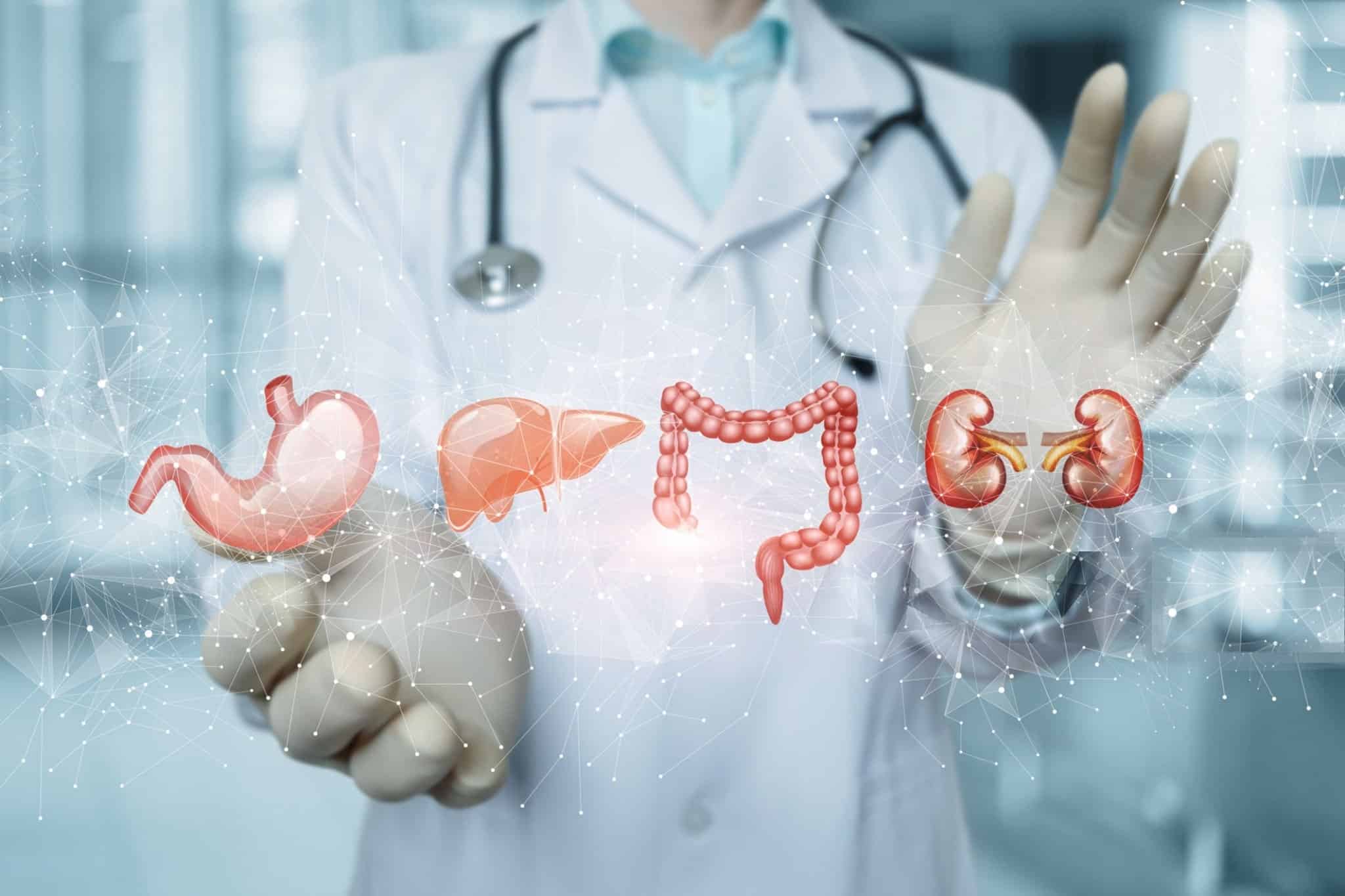
Advanced Gastrointestinal (GI) & Laparoscopic Surgery in Vadodara
Digestive disorders and abdominal conditions can significantly compromise your quality of life. When medical therapies, dietary modifications, and lifestyle changes are no longer sufficient to manage severe gastrointestinal diseases, surgical intervention becomes necessary to restore digestive function and health.
At Devarsh Multi-Speciality Hospital in Vadodara, our Department of Surgical Gastroenterology offers state-of-the-art diagnostic, preventive, and therapeutic Gastrointestinal (GI) Surgery services. Utilizing minimally invasive laparoscopic and keyhole techniques, our surgical team ensures rapid recovery, reduced post-operative pain, and high precision across complex digestive tract conditions.
What is Gastrointestinal (GI) Surgery?
Gastrointestinal (GI) surgery is a specialized branch of medicine focused on treating disease processes and structural disorders affecting the organs of the digestive tract. The GI system is divided into two primary surgical domains:
-
Upper Gastrointestinal Surgery: Involves organs such as the esophagus, stomach, duodenum, liver, gallbladder, biliary tract, and pancreas.
-
Lower Gastrointestinal Surgery: Involves the small intestine, colon, rectum, appendix, and anal canal.
GI surgery addresses structural defects, chronic inflammation, benign growths, acute organ infections, severe acid reflux, gallstones, hernias, and gastrointestinal cancers. Modern GI operations are performed using advanced Laparoscopic (Keyhole) Surgery, where specialized tools and high-definition cameras are inserted through tiny incisions, replacing traditional open surgeries and drastically improving patient recovery times.
Common Signs & Health Conditions That May Require Consultation
Many digestive conditions start with mild symptoms that progressively worsen if left untreated. Recognizing early red flags ensures timely surgical evaluation and prevents severe health complications.
Clinical Symptoms Requiring GI Evaluation
You should consult a surgical gastroenterologist at Devarsh Multi-Speciality Hospital if you experience any of the following persistent symptoms:
-
Chronic or acute abdominal pain, cramping, or severe localized tenderness
-
Persistent acid reflux, heartburn, or difficulty swallowing (dysphagia)
-
Unexplained nausea, persistent vomiting, or feeling full prematurely after small meals
-
Chronic constipation, severe diarrhea, or alternating bowel habits
-
Blood in stool (bright red blood or dark, tarry stools)
-
Sudden, unexplained weight loss and severe loss of appetite
-
Persistent bloating, abdominal distension, or visible lumps in the groin or abdomen
-
Jaundice (yellowing of the skin, eyes, and dark urine)
Conditions Treated
Our surgical specialists manage a broad range of acute, chronic, and complex digestive conditions:
-
Gallbladder Disease: Gallstones (cholelithiasis), gallbladder inflammation (cholecystitis), and bile duct obstructions.
-
Hernias: Inguinal, umbilical, incisional, femoral, and hiatal hernias.
-
Severe Gastroesophageal Reflux Disease (GERD): Chronic acid reflux resistant to medications or complicated by hiatal hernias.
-
Appendicitis: Acute inflammation of the appendix requiring prompt removal.
-
Inflammatory Bowel Disease (IBD): Surgical management of severe Crohn’s disease and Ulcerative Colitis.
-
Colorectal Disorders: Diverticulitis, intestinal blockages, rectal prolapse, severe hemorrhoids, fissures, and complex anal fistulas.
-
Pancreatic & Hepatobiliary Conditions: Pancreatitis complications, liver cysts, and biliary tract disorders.
-
Gastrointestinal Cancers: Malignant tumors of the stomach, colon, rectum, esophagus, liver, and pancreas.
Surgical Treatments & Procedures Offered at Devarsh Hospital
Our hospital is equipped with advanced modular operation theaters, high-definition laparoscopic suites, and intensive care units to deliver precise GI surgical care.
1. Laparoscopic Cholecystectomy (Gallbladder Removal)
-
Indication: Symptomatic gallstones, gallbladder polyps, or acute infection.
-
Procedure: Removal of the gallbladder using 3–4 tiny incisions (5–10 mm), eliminating gallstone recurrence completely.
2. Laparoscopic Hernia Repair (TAPP / TEP / IPOM)
-
Indication: Inguinal, umbilical, or incisional hernias causing pain or risk of strangulation.
-
Procedure: Reinforcement of weakened abdominal wall muscle layers using surgical mesh placed via keyhole access.
3. Laparoscopic Appendectomy
-
Indication: Acute appendicitis to prevent appendiceal rupture and peritonitis.
-
Procedure: Emergency keyhole removal of the inflamed appendix with minimal tissue disruption.
4. Anti-Reflux & Hiatal Hernia Surgery (Laparoscopic Fundoplication)
-
Indication: Severe GERD, chronic heartburn, or large hiatal hernias unresponsive to medical therapy.
-
Procedure: Wrapping the upper portion of the stomach around the lower esophageal sphincter to restore barrier function and stop acid reflux.
5. Colorectal & Complex Anorectal Surgeries
-
Indication: Colorectal polyps, diverticular disease, intestinal obstruction, complex fistulas, fissures, and piles.
-
Procedure: Advanced procedures including laparoscopic colectomy, laser fistula/fissure procedures, and stapled hemorrhoidopexy for painless recovery.
6. Hepatobiliary & Pancreatic Surgeries
-
Indication: Complex liver, bile duct, and pancreatic lesions or pseudocysts.
-
Procedure: Specialized resection and drainage procedures executed by experienced GI surgeons.
Benefits of GI & Laparoscopic Surgery
Choosing advanced laparoscopic gastrointestinal surgery at Devarsh Multi-Speciality Hospital provides clear medical advantages over conventional open procedures:
| Surgical Aspect | Laparoscopic GI Surgery | Traditional Open GI Surgery |
| Incision Size | Tiny keyhole cuts (5 mm to 10 mm) | Large, single abdominal incision (10 cm to 25 cm) |
| Post-Operative Pain | Significantly minimal; reduced pain medication requirement | Moderate to severe tissue discomfort requiring high analgesia |
| Hospital Stay | 24 to 48 hours for most procedures | 5 to 10 days depending on procedure complexity |
| Blood Loss & Infection Risk | Extremely low blood loss and minimal wound infection risk | Higher risk of wound infection and intraoperative bleeding |
| Cosmetic Outcome | Near-invisible scars after complete healing | Large, prominent surgical scar |
| Recovery & Work Return | Return to light daily routine in 5 to 7 days | Requires 4 to 6 weeks of strict bed rest |
Comprehensive Surgery Preparation
Thorough pre-operative preparation ensures patient safety, reduces surgical risks, and optimizes operational success. At Devarsh Multi-Speciality Hospital, we follow a standardized multi-step evaluation:
1. Pre-Operative Diagnostic Evaluation
Depending on the specific surgical indication, your surgeon may request:
-
Blood Investigations: Complete blood count, liver function tests (LFT), kidney function tests (KFT), coagulation markers, and blood grouping.
-
Diagnostic Imaging: High-resolution abdominal ultrasound, contrast-enhanced CT scan (CECT), or MRI/MRCP for detailed biliary imaging.
-
Endoscopic Evaluation: Upper GI endoscopy or colonoscopy to visually evaluate mucosal linings before surgery.
2. Multi-Specialty Clearance & Anesthesia Protocol
-
Cardiac & Pulmonary Check: Pre-anesthetic evaluation (PAC), ECG, chest X-ray, and cardiology clearance for patients with co-existing conditions.
-
Medication Adjustments: Guidelines regarding temporary discontinuation of blood thinners (aspirin, warfarin) or adjustment of diabetes medications prior to surgery.
3. Immediate Pre-Op Instructions
-
Pre-Surgery Fasting (NPO): Strict fasting for 8 hours prior to the procedure to ensure a completely empty stomach under general anesthesia.
-
Bowel Preparation: For specific bowel or colorectal procedures, mild oral laxatives or enemas may be administered the evening prior.
Surgery Recovery & Aftercare
Post-operative care plays a vital role in preventing complications and facilitating a smooth return to full physical activity.
Immediate Post-Operative Period (Hospital Phase)
-
Pain Management: Multi-modal pain control ensures patient comfort immediately upon waking from anesthesia.
-
Early Mobility: Patients are assisted to sit up and walk within 6 to 12 hours after laparoscopic surgery to prevent deep vein thrombosis (DVT) and reduce gas discomfort.
-
Dietary Transition: Gradual progression from IV fluids to clear liquids, soft diet, and normal meals as bowel sounds return.
Home Recovery Guidelines
-
Wound Care: Keep incision sites clean and dry. Minor dressing changes are conducted according to surgeon instructions.
-
Dietary Adjustments: Consume light, easily digestible, low-fat, high-fiber meals to support gastrointestinal healing and avoid constipation.
-
Activity Levels: Avoid lifting heavy objects (>5 kg), strenuous exercise, or sudden straining for 3 to 4 weeks. Walking daily is encouraged.
-
Follow-up Care: Scheduled follow-up visits at Devarsh Hospital for wound assessment, suture removal (if non-absorbable), and dietary progression review.